
- adityaortho@gmail.com
- Phone: 8861424111

Blog
What Is a Disc Lesion? Symptoms, Causes, and Treatment Options
August 18, 2026
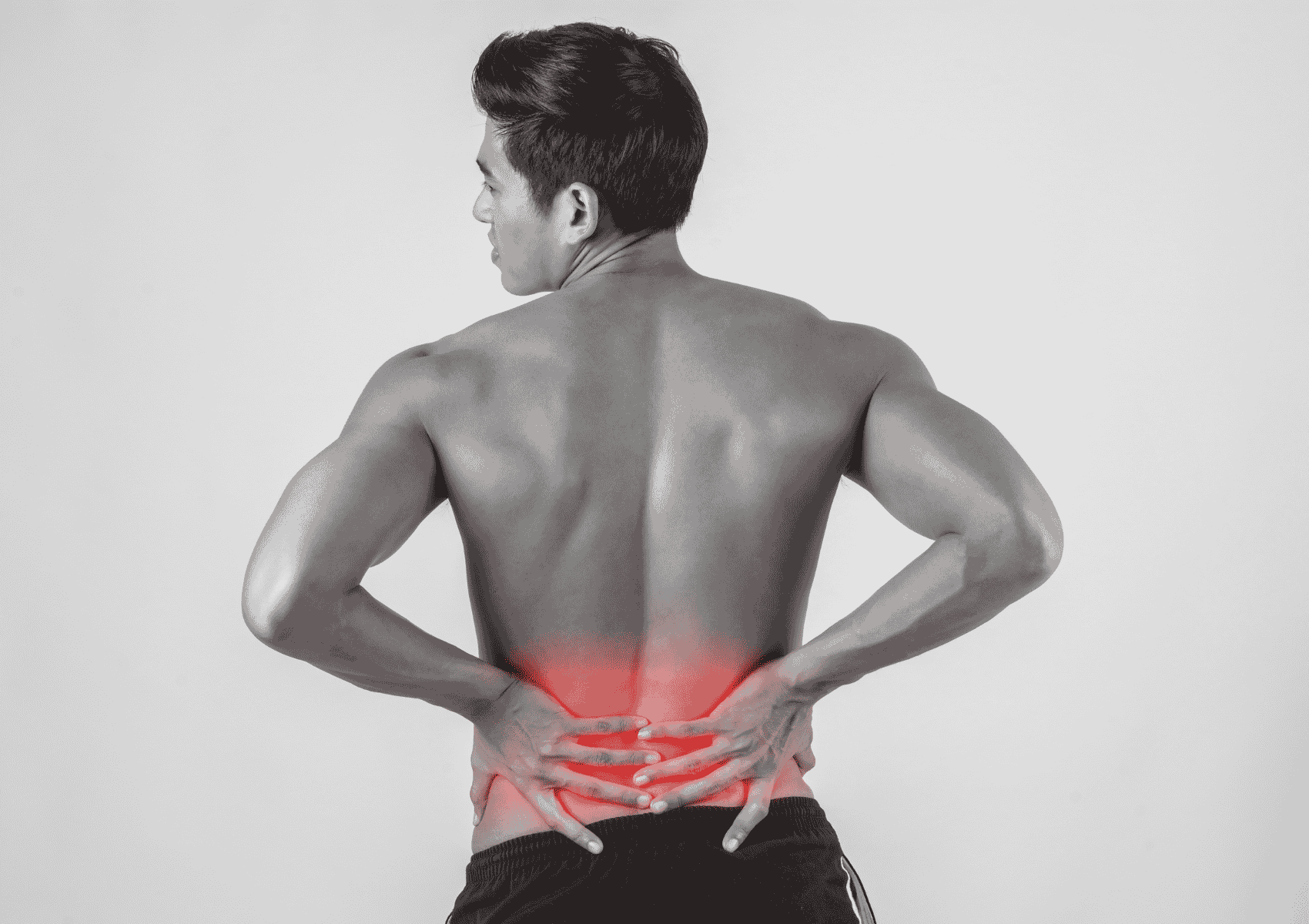
Persistent back pain is often dismissed as "just a strain" — until it doesn't go away. For many people, ongoing lower back pain is actually caused by a disc lesion, a condition affecting the cushioning discs between the bones of the spine. If you've been searching for back pain treatment in Tumkur and still haven't found relief, it may help first to understand what a disc lesion is and how it's properly diagnosed and treated.
What Is a Disc Lesion?
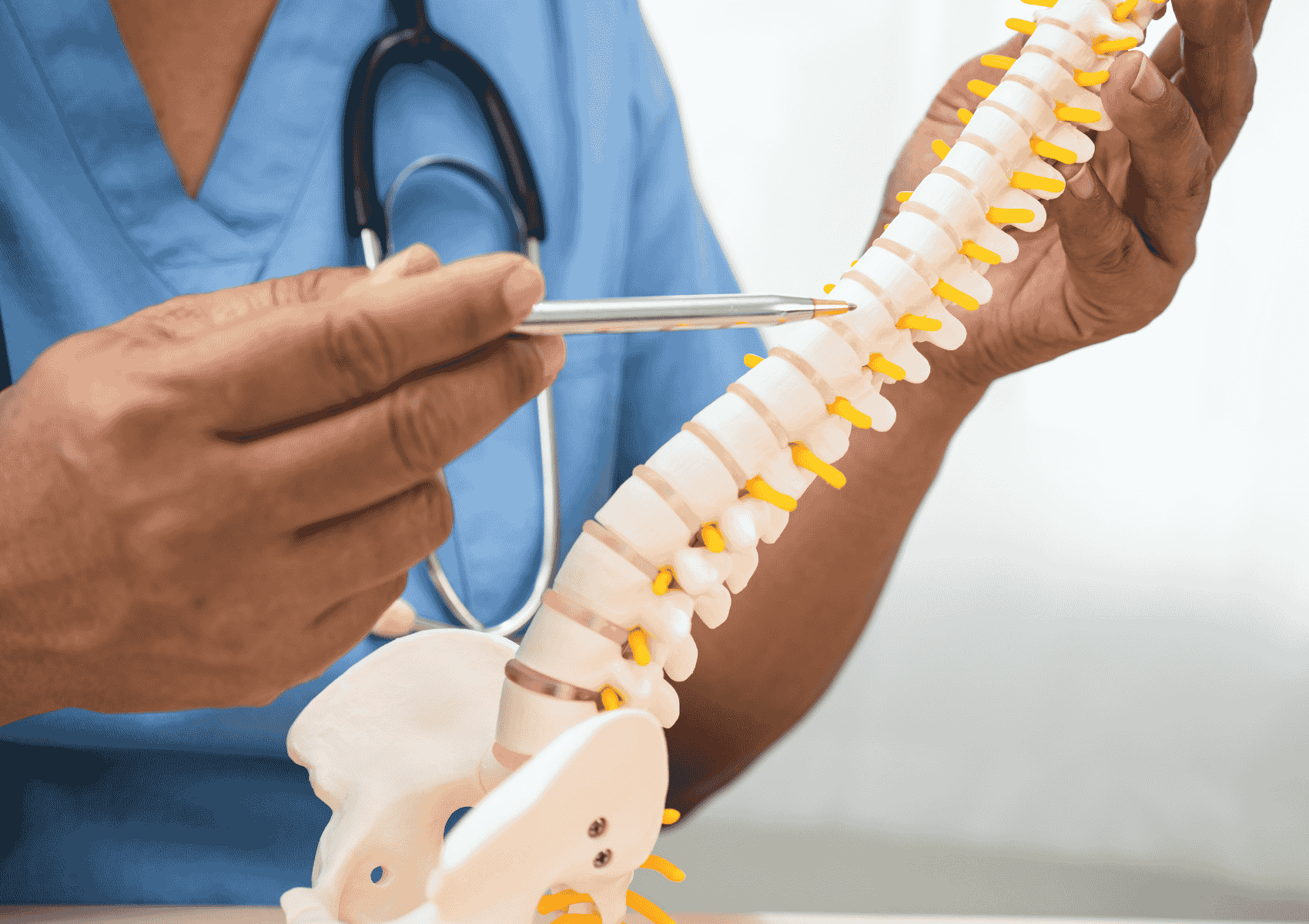
Each vertebra in your spine is cushioned by a soft, shock-absorbing disc. A disc lesion happens when this disc gets damaged — through tears, bulging, herniation, or general wear. When this happens, the disc can press on nearby nerves or the spinal cord. This pressure causes pain, stiffness, and sometimes numbness or weakness in the limbs.
Disc lesions most commonly affect the lower back (lumbar spine), though they can also occur in the neck (cervical spine). Left untreated, a disc lesion can worsen over time, leading to chronic pain and nerve-related complications that are harder to treat than the original injury.
Disc Lesion Symptoms
Symptoms vary depending on the disc's location and how severe the damage is. Common disc lesion symptoms include:
- • Persistent lower back pain that worsens with sitting, bending, or lifting
- • Pain that spreads into the buttocks, legs, or feet (often linked to sciatica)
- • Numbness or tingling in the legs or feet
- • Muscle weakness in the lower limbs
- • Stiffness or reduced range of motion in the back
- • Pain that eases with rest but returns with activity
- • Loss of bladder or bowel control in severe cases — this needs immediate medical attention
If these symptoms last more than a few days, or get worse despite rest, it's important to get a proper diagnosis rather than relying on painkillers alone.
Disc Lesion Causes
Knowing the disc lesion causes helps with both prevention and treatment. Common causes include:
- • Age-related wear and tear — Discs lose water content and elasticity over time, making them more prone to damage.
- • Repetitive strain — Jobs or activities that involve frequent bending, lifting, or twisting.
- • Poor posture — Prolonged sitting or incorrect lifting technique.
- • Sudden injury or trauma — From falls, accidents, or sports.
- • Obesity — Extra body weight adds pressure on the spinal discs.
- • Sedentary lifestyle — Long hours of sitting and low activity weaken the muscles that support the spine, leaving discs more exposed to injury.
- • Genetic factors — Some people are simply more prone to disc degeneration.
Usually, it's a combination of these factors — not one single event — that leads to a disc lesion.
Disc Lesion Treatment Options
The right disc lesion treatment depends on how severe the damage is and what symptoms are present. Treatment usually starts conservatively and only escalates if needed:
1. Rest and activity modification — Avoid movements that worsen pain, but stay gently active to prevent stiffness.
2. Physiotherapy — Targeted exercises to strengthen the back and core, improve flexibility, and reduce pressure on the affected disc.
3. Medication — Anti-inflammatory drugs or muscle relaxants to manage pain and swelling.
4. Epidural or spinal injections — Targeted relief for severe or nerve-related pain.
5. Minimally invasive procedures — Used in select cases to relieve nerve compression without major surgery.
6. Surgery — Reserved for severe or persistent cases where conservative treatment hasn't worked, or when nerve involvement is significant.
Early diagnosis usually means treatment can stay conservative — which is why timely consultation matters.
Back Pain Treatment in Tumkur — Why Expert Diagnosis Matters
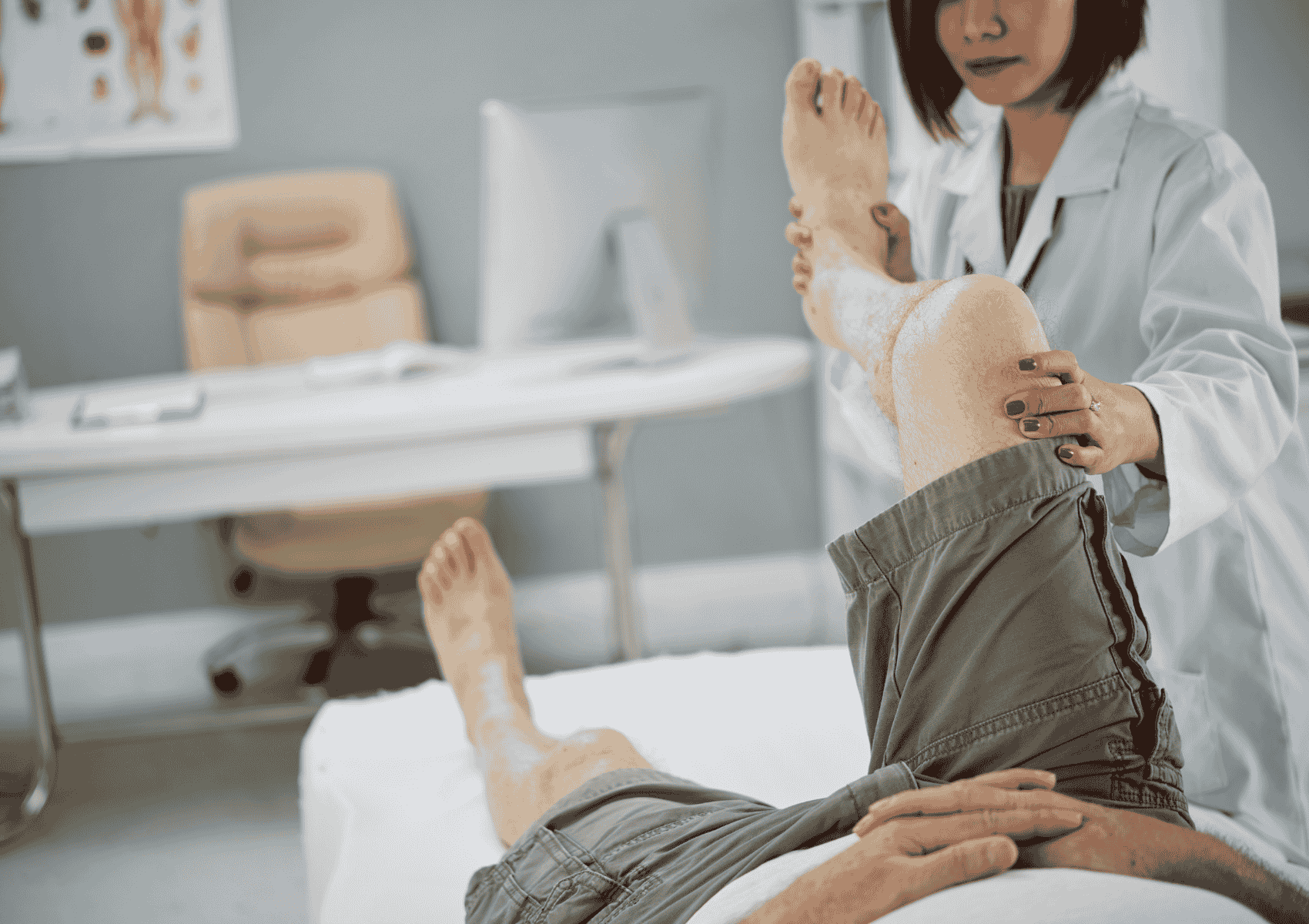
Not all back pain is the same, and self-diagnosing a disc lesion from symptoms alone can lead to delayed or incorrect treatment. A proper diagnosis usually involves a physical examination along with imaging tests like an MRI or CT scan to confirm the location and severity of the damage.
For patients looking for reliable disc lesion treatment in Tumkur, Aditya Orthopaedic And Trauma Center offers experienced orthopaedic care built around accurate diagnosis and a treatment plan suited to each patient's condition — starting with conservative management and escalating only when necessary. With qualified specialists and modern diagnostic support, the center focuses on relieving pain while protecting long-term spinal health, rather than offering a one-size-fits-all solution.
Final Thoughts
A disc lesion can range from mild discomfort to a condition that seriously affects daily life. With the right diagnosis and treatment plan, most patients see real improvement. If persistent back pain is affecting your routine, don't wait for it to get worse.
Looking for expert back pain treatment in Tumkur? Consult the specialists at Aditya Orthopaedic and Trauma Center to get an accurate diagnosis and a treatment plan tailored to your condition.
Comments
Popular Posts
-
 Spinal Trauma: Symptoms, Diagnosis, and Modern Surgical Interventions
Spine Injury -
 The Connection Between Spine Health and Brain Function: A Neurosurgical Perspective
health -
 Best Orthopedic Surgeon in Tumkur for Joint Pain & Injury Treatment
orthopedic surgery -
 Best Rheumatology Specialist in Tumkur: Advanced Treatment for Arthritis and Autoimmune Diseases
Orthopaedic